Article: Investment Furniture vs. Trends: What's Actually Worth Buying in 2026
Investment Furniture vs. Trends: What's Actually Worth Buying in 2026
Investment Furniture vs. Trends: What's Actually Worth Buying in 2026
The furniture market moves faster than it ever has. What feels fresh today can feel dated in two years. For anyone making serious decisions about their space, that's a problem worth understanding.
The Trend Trap Is Real
Trends are engineered to create urgency. Investment pieces don't need to.
The distinction matters most at the top of the market, where the cost of a wrong decision isn't just financial. A dining table chosen for the wrong reasons becomes the thing a room is eventually built around, removing. A piece chosen correctly becomes impossible to imagine living without.
The question worth asking before any significant acquisition isn't do I love this now. It's will I still respect this decision in ten years.
What an Investment Piece Actually Is
Not simply expensive furniture. Something that holds or grows its value across time, both financially and in the way it's lived with.
Three things separate investment pieces from everything else:
Proportion that doesn't date. Some designs have been in continuous production for seventy years. The Eames Lounge Chair. The Noguchi coffee table. They don't look old. They look like they belong, because they were built around how people actually live, not around what was fashionable when they were made.
Craft that experts can still tell apart. A skilled maker will find the joint in a mass-produced piece within seconds: in the weight of a drawer, the way a hinge sits, the finish at the edges where attention ran out. These aren't details that photograph badly. They're details that reveal themselves over years of use.
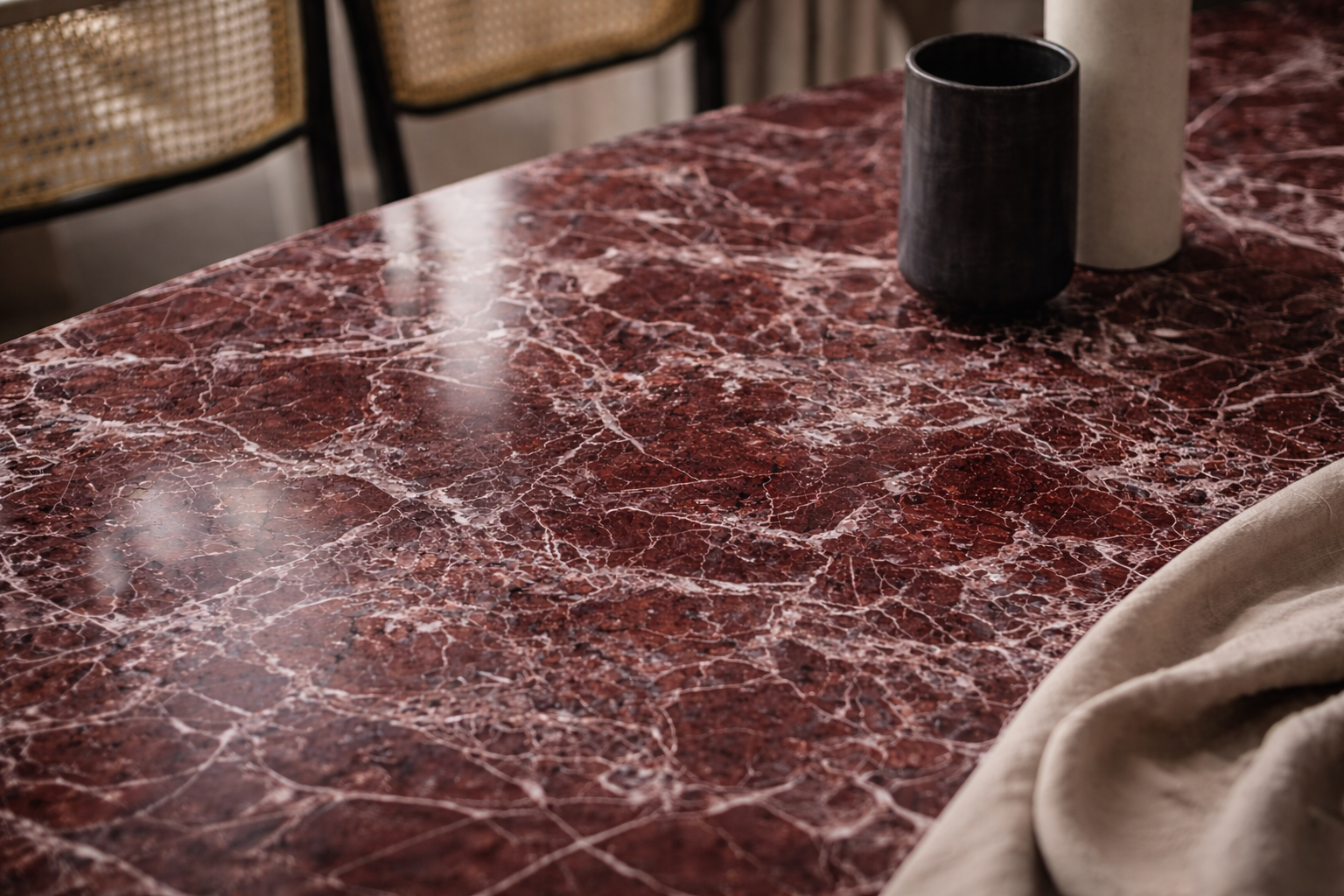
Materials that improve rather than degrade. Solid walnut darkens and richens with light exposure. Unlacquered brass develops a patina that is genuinely unreplicable. No two pieces age identically. Marble chosen for a specific vein pattern becomes more singular as time passes, not less. These aren't materials that hold up. They're materials that change in ways that increase their character, and by extension, their value.
The Shift Happening at the Top of the Market
The clients making the most considered decisions in 2026 aren't interested in furniture that announces itself. They want pieces that people who know will recognise, and everyone else will simply overlook.
The most considered rooms we've encountered weren't built on the largest budgets. They were built by people who waited for the right piece instead of settling for the available one.
Where Trends Still Have a Role
Not everything needs to be an heirloom. A room with no tension tends to feel like a showroom.
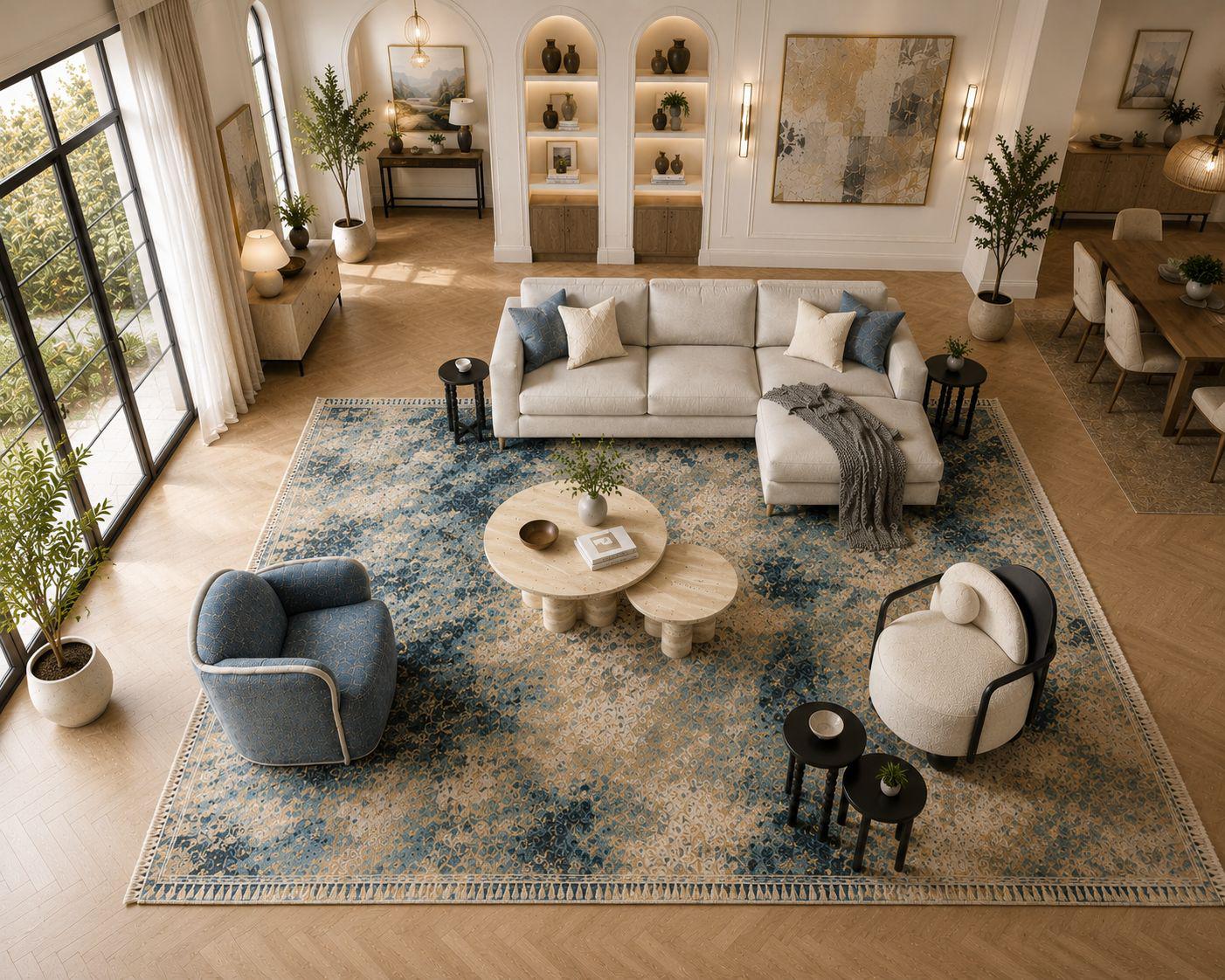
The anchors (primary seating, dining table, bed, sideboard) should be exceptional. Timeless. Worth passing on. The accents around them: lighting, textiles, decorative objects. These can respond to the moment. They should. That's how a room stays alive without requiring you to rebuild it.
The mistake is inverting this. Spending freely on what changes, and compromising on what stays.
Buying Right in a Market Built on Replacement
The furniture industry profits from the feeling that what you have is almost right, but not quite. Investment pieces work against that logic. When something is genuinely well-made, materials chosen for longevity, craft chosen for integrity, it becomes harder to part with over time, not easier.
In a market moving faster than ever, the most considered thing you can do is slow down.
Choose provenance over popularity. Prioritise the anchors. Let the accents move.
Luzione is a USA-based luxury design house. Every piece is made to order by independent ateliers across Europe